

Professor Nnanyelugo Ike-Muonso
The Director-General, Raw Materials Research and Development Council (RMRDC), Professor Nnanyelugo Ike-Muonso, has disclosed Nigeria’s imports in the first half of 2025 alone stands at ₦3.53 trillion
Speaking at the 37th Annual General Meeting (AGM) of the Manufacturers Association of Nigeria (MAN), comprising Anambra, Enugu, and Ebonyi States branch, held in Enugu Prof. Ike-Muonso describes trend as “an existential threat to the economy.”
Prof. Ike-Muonso said that Nigeria must urgently transition from being a raw-materials exporting nation to a full-scale production economy if it must attain self-reliance and sustainable industrial growth.
“Nigeria’s heavy dependence on imported finished products is no longer sustainable”, he said
“We can no longer afford the paradox of exporting our natural wealth in its rawest form only to import finished goods at high costs. The era of import and package is dead; the era of process and produce must now begin,” he declared.
He further lamented that over 70% of manufacturing inputs in Nigeria are still imported, leading to factory underutilization, rising costs, and dwindling foreign reserves.
Highlighting efforts by the Council to reverse the trend, the DG announced that the RMRDC 30% Value Addition Bill, currently awaiting Presidential Assent, seeks to mandate that at least 30% of raw materials be locally processed before export.
He described the bill as a “game-changing policy” that could inject $7.5 billion into the GDP, create 250,000 new jobs by 2030, and save $3.7 billion annually in import costs.
“This legislation will protect local manufacturers by ensuring that the raw materials they need remain in-country. It is not a restriction, but a protection, a guarantee that Nigerian resources will first serve Nigerian industries,” he explained.
Citing examples of successful backward integration efforts in sectors such as cement, food, and pharmaceuticals, the DG urged manufacturers to embrace local sourcing, stressing that “firms that shifted to local inputs added more value to their bottom line and showed greater resilience against foreign exchange volatility.”
He identified raw-material opportunities across the Southeast region, including lead, zinc, and limestone in Ebonyi; cassava and maize for starch and glucose production in Anambra; and clay and oil palm resources in Enugu, as potential anchors for regional industrialization.
The DG also proposed a consortium model for manufacturers, urging them to pool capital to establish shared processing plants, reduce risks, and achieve economies of scale.
“Five pharmaceutical firms can jointly fund a starch plant; ten construction firms can invest in a granite beneficiation hub. Working together reduces costs and increases competitiveness,” he suggested.
While acknowledging existing challenges such as infrastructure deficits, high lending rates, and inconsistent quality standards, Prof. Ike-Muonso emphasized that they are surmountable through collaboration among government, industry, and investors.
He reaffirmed RMRDC’s readiness to serve as a technical partner to industries, providing data and support through its National Raw Materials and Products Statistical Information System, which maps available resources and links them with manufacturing demand.
“By 2030, we must build a Nigeria whe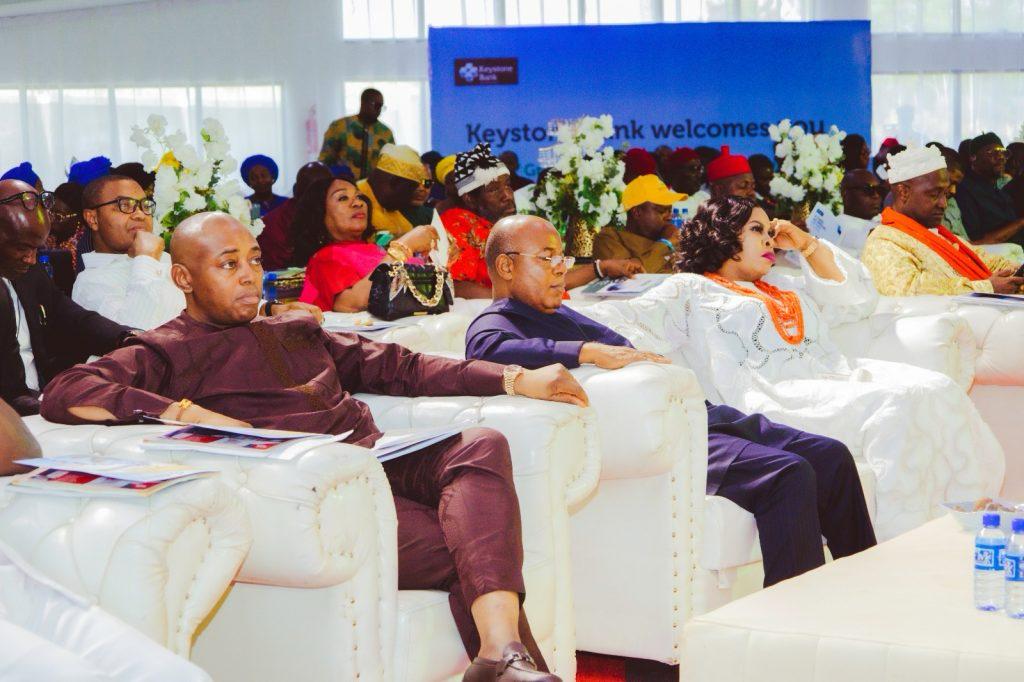 re local raw materials feed local factories, where Made in Nigeria is not just an aspiration, but a reality,” he concluded.
Dignitaries present at the event included the Governor of Enugu State, Gov. Peter Mbah who was represented by the deputy Governor Dr. Ifeanyi Ossai; Otunba Francis Meshionye, President, MAN; Lady Ada Chukwudozie, Chairman, MAN Southeast; Mr. Abubakar Bello, MD/CEO NEXIM Bank; and Dr. Obinna Iyiegbu, Chairman, Cubana Group, among many others.