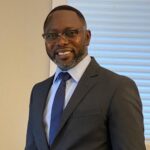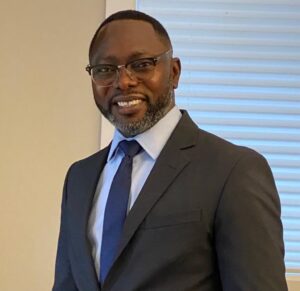

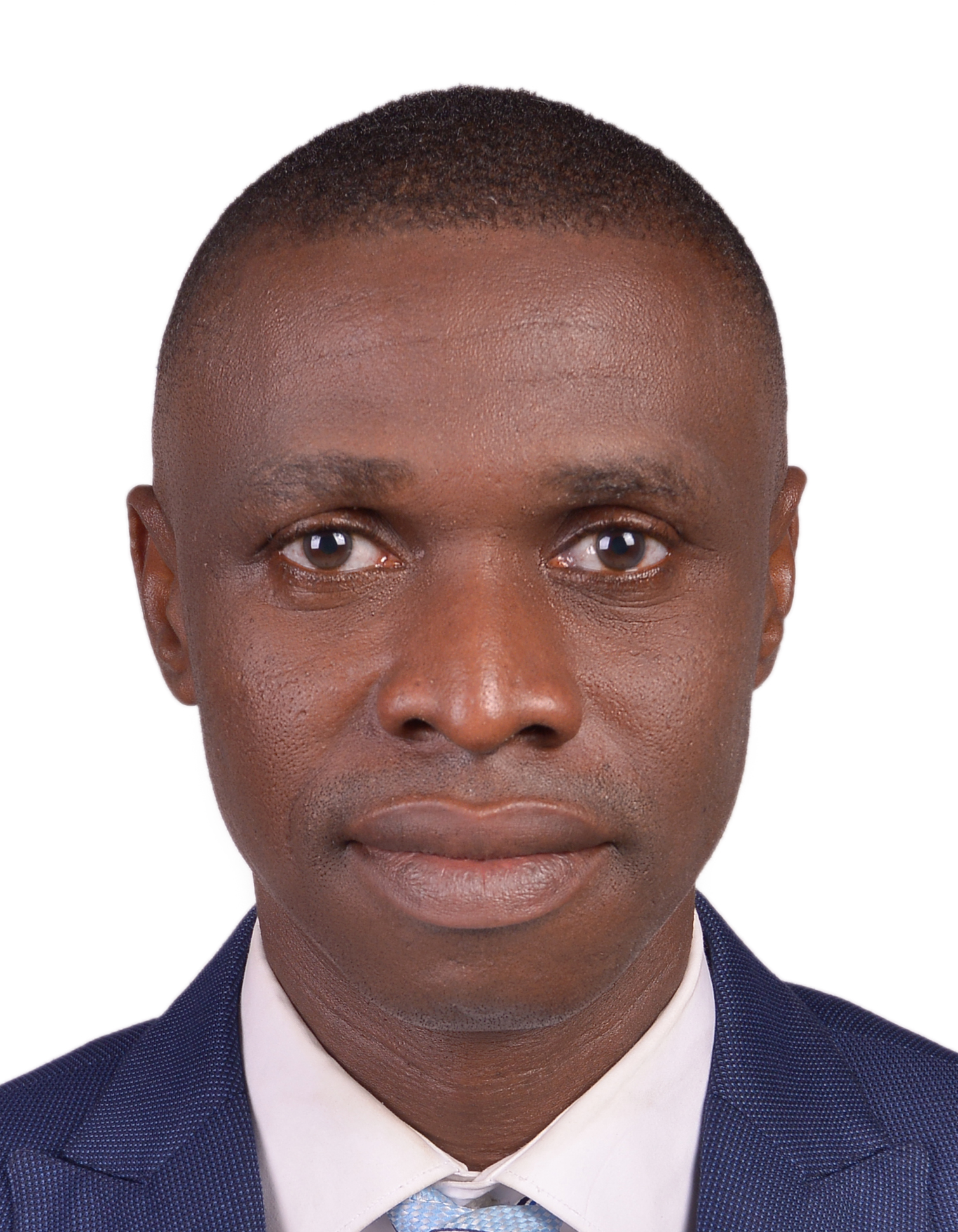
From the quiet rhythms of Calabar’s early mornings to the harmonies echoing through classrooms in Wisconsin, David Jacob has spent more than two decades conducting a symphony of change, using music as his instrument and young people as his chorus of hope.
He is a founder, an international educator, a composer, and a program manager, but above all, a believer in the transformative power of music. His story is not one of fame or fortune, but of a lifelong mission to give children a voice, a rhythm, and a reason to dream beyond borders.
David’s journey began in Calabar, Nigeria, where he started his career at Surefoot International School, a thriving private institution in the heart of Cross River State. There, he did more than teach music — he cultivated a culture of expression. As head of the Creative Arts Department and chair of the Events Committee, he transformed routine assemblies into vibrant celebrations of sound and colour.
Among his students was Josiah Bassey, later a nominee for the 64th Annual Grammy Awards for co-writing Hold Us Together with Dernst Emile and H.E.R. For David, Bassey’s success symbolised the power of early encouragement. “Talent needs a platform,” he once said. “Sometimes, all a child needs is someone to believe in them.”
Concerts, exhibitions, and funfairs became community traditions under his direction. Parents filled the halls to watch their children perform; the school choir grew into an orchestra, and student interest in the creative arts tripled. His philosophy was simple but radical: every child, regardless of background, deserves the chance to find their voice — not just in language, but in song.
But David’s mission was never confined to one place. In 2000, he founded the Hope Waddell Society of Music (HOWASOM), a pioneering organisation devoted to nurturing young musicians, reviving indigenous folk traditions, and promoting both classical and contemporary performance across southern Nigeria.
HOWASOM became a sanctuary for dreamers — a collective of students, teachers, and volunteers united by rhythm and purpose. Through the society, David built mentorship programmes, organised workshops for teachers, and led community choirs that drew people from every walk of life.
His leadership attracted attention and support. HOWASOM received donations and sponsorships exceeding $100,000, which funded the purchase of instruments, concerts, and training programmes for emerging musicians. In 2008, the choir was named Most Creative Choir in South-South Nigeria, confirming what David had long believed: music could inspire, heal, and unite.
That same vision led to the creation of the Discovery Tones Creative Hub in 2009. Under David’s leadership, it became a centre for youth empowerment, offering training in music performance, design, and production. The hub partnered with the Cross River State Government and the British Council, linking the arts with education, entrepreneurship, and social impact.
One of his proudest innovations was the Discovery Children’s Concert, introduced as part of the Calabar Carnival programme. The concert gave children across the state a professional stage on which to perform, nurturing their confidence and creativity.
Between 2012 and 2015, David published the Tones of Discovery Magazine, which chronicled children’s artistic activities and educated parents about the value of music education. The magazine became a reference point for creative advocacy in Cross River and influenced state policies promoting extracurricular learning.
In 2016, David brought his passion to the streets when he introduced a live orchestra to the Calabar Carnival, Africa’s biggest street party. Contracted by the Master Blasta Band, he assembled Cross River’s best classical musicians and members of the Hope Waddell Society Orchestra for a performance that merged classical music with operatic drama and Nigerian energy. It was a daring fusion that enthralled audiences and marked a turning point for the carnival — and for David’s career. It proved that classical music could belong to everyone.
The success inspired another milestone. Using proceeds from the Master Blasta project, David launched Aventura, hosting Calabar’s first formal recital at Channel View Hotel. Young talents such as Ekanem Esu, Joseph Jacob, and Clement Edet performed their first solos there. Ekanem later became a leading gospel artist in southern Nigeria, Joseph earned scholarships for diploma and master’s studies in Organ Music at the Royal Birmingham Conservatoire, and Clement received a full scholarship for violin performance at Appalachian State University in the United States.
Others followed similar paths. The 2021 Nigerian Idol second runner-up, Mikki, once performed at a Hope Waddell Society concert conducted by David. Several of his students later joined the prestigious MTN/MUSON diploma programme, while countless others became teachers and performers. His work, colleagues say, is “nothing short of revolutionary.”
After years shaping Nigeria’s creative education landscape, David’s journey turned global. In 2017, he moved to the United Arab Emirates to join Al Manahel Private School in Abu Dhabi as Programme Manager and Induction Officer. There, he launched a Dragon’s Den-style entrepreneurship programme that blended innovation and performance, encouraging students to present ideas through music and drama.
During a visit by the Abu Dhabi Department of Education and Knowledge (ADEK), his classroom stood out. Inspectors praised his engaging methods and his ability to reach students who once dismissed music as unimportant. Within two years, participation in music rose by 20 percent, parental involvement by 30 percent, and event funding by 60 percent.
He recalls with pride a once-shy student, Minatullah, who refused to sing during her first term. By the end of the year, she led her peers in a choral performance. “Moments like that remind me why I teach,” David said. “When a child finds their voice, you witness a small miracle.”
In 2019, David moved to Qatar, joining Al Khor International School as Performing Arts Teacher and Mentor. When the pandemic struck, he found new ways to keep music alive. From developing digital music curricula to organising online performances and virtual competitions for choirs in Nigeria, he kept his students — and hundreds of others across continents — connected through creativity. The result was a 50 percent improvement in academic performance among arts students at Al Khor International School and a thriving digital music community that defied the silence of lockdown.
His next chapter took him to the United Kingdom, where he balanced teaching, leadership, and community work. At Secondary Schools in Hull, he taught and directed music while mentoring students from diverse backgrounds. He was the Music Director at Opened Heavens Chapel International, and his vision led to the expansion of the church choir and the birth of a worship program TWIST that gathers worshippers across denominations in Hull city. Simultaneously, he worked as a Youth Worker with the Goodwin Development Trust, helping teenagers facing exclusion or personal struggles.
He used art and music as tools of healing, guiding young people through the challenges of bullying, addiction, and mental health. His calm presence and empathy made him a trusted mentor to students who had lost faith in education.
During this period, David deepened his academic roots, earning a Master’s in Music with Distinction from the University of Hull. Supervised by Professor Andrew King, his research examined the connections between music education, accessibility, and social justice. His studies on emotional wellbeing and inclusive music learning have been the foundation for the development of Moodsync an app that uses music for therapeutic purposes.
Reflecting on his time in the UK, David has said it prepared him for the next phase — one that would merge research, teaching, and cross-cultural leadership.
That phase arrived in the United States, where he now serves as Music Teacher and Creative Arts Coordinator at Henry Thoreau Elementary School in Wisconsin. There, he has revived a dormant school band, introduced a World Music programme exposing students to global rhythms, and developed music therapy sessions for children with behavioural challenges.
Under his leadership, student engagement in music has risen by 60 percent. At the school’s winter concert, his students performed Betelehemu, a Yoruba Christmas hymn — a performance that celebrated cultural diversity through Nigerian heritage. “I want every child to know the world is connected by sound,” David said. “When they sing in Yoruba or play African drums, they’re not just performing; they’re participating in something universal.”
Beyond the classroom, David’s impact has been recognised globally. He is a STEAM Fellow with the Wisconsin Department of Public Instruction, a Marvent Health Research Fellow, and a PhD scholar in Music Education at Pennsylvania State University. His collaborations with the World Bank, British Council, and GoodChoir International reflect a career dedicated to bridging education, community, and culture across continents.
Yet, despite his achievements abroad, David remains deeply rooted in his beginnings. HOWASOM and Discovery Tones continue to flourish in Calabar, mentoring young artists and expanding access to creative education. He maintains active collaboration with local educators and continues to support initiatives that empower underprivileged children through music.
His story is more than a record of professional success; it is a legacy — one that echoes through every child who has learned to sing, play an instrument, or simply believe in their own potential.
Asked what keeps him going, David smiles softly. “I have seen music turn shy children into confident leaders,” he says. “I have watched it heal, empower, and unite. That’s why I teach — because every note can change a life.”
From Calabar’s classrooms to Wisconsin’s auditoriums, his journey traces the arc of a global educator whose influence transcends geography. He has shown that music is not a luxury but a necessity — a bridge between cultures, a language of empathy, and a light for children seeking rhythm in a noisy world.